

Running AI models on your own servers: when it makes sense
Most teams first meet AI through a cloud API: you send text to a provider and get an answer back. That is the fastest way to start, but it is not the only way. A smaller model, tuned for one task, can run on servers you control. This guide explains when that is the better choice.
By the FocalID team in Colombo, , 2 min read
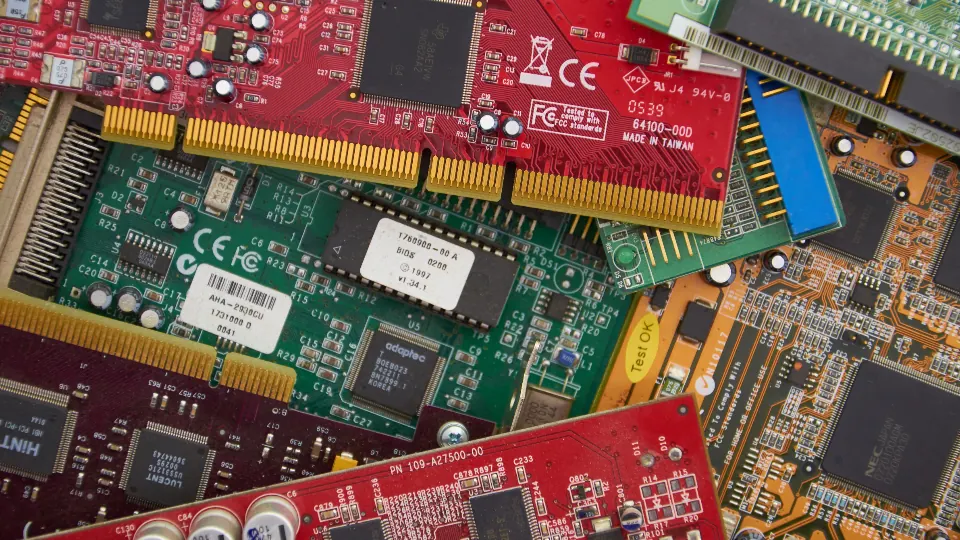
Reasons to keep the model in-house
- Data must not leave: customer, patient, financial or legal data that law, contract or policy says must stay on your systems.
- Predictable cost: at high volume, a fixed server can cost less than paying per request.
- Speed and availability: the model sits next to your data and keeps working if an outside service or the internet link is down.
- Control: the model does not change unless you change it, so tested behaviour stays tested.
What a task-specific model is
The largest general models can discuss anything. Most business tasks do not need that. Classifying documents, pulling fields out of invoices, routing requests or summarising a call are narrow jobs, and a much smaller model can do them well once it has been tuned on examples of your own data.
Smaller models need far less hardware, answer faster and are easier to test, because the job they do is tightly defined.
Cloud API or your own server?
| Cloud API | Your own infrastructure | |
|---|---|---|
| Start-up effort | Very low | Hardware, set-up and tuning needed |
| Cost pattern | Pay per request | Fixed cost, low cost per request at volume |
| Where data goes | To the provider | Stays with you |
| Breadth of ability | Very broad | Strong on the tasks it was tuned for |
| Who maintains it | The provider | You or your partner |
Many companies use both: a cloud model for general, low-risk work, and an in-house model for the tasks that touch sensitive data.
What you need to host one
- A server with a suitable GPU, on your premises or in a private cloud.
- Examples of the task done correctly, to tune and test the model.
- A test set that is rerun whenever the model or its instructions change.
- Monitoring, access control and logs, as for any other production system.
A sensible path
Prove the task with a cloud model on non-sensitive sample data first. Once you know it works and what volume to expect, decide whether to move it in-house. That way the hardware is bought for a job you already understand.
Common questions
Is a smaller model less accurate?
On general questions, yes. On a narrow task it was tuned for, a smaller model can match a large one while being faster and cheaper to run.
Do we need a data science team?
No, but you need someone to own the server and the test set. A development partner can build and maintain the rest.
Can an AI agent use an in-house model?
Yes. An agent can run entirely on a model hosted on your own servers or private cloud.